Chemical stripping and resealing

White Cloudy Sealer Removal in South Florida

White, hazy or peeling sealer is not dirt, and pressure washing will not remove it. We chemically strip the failed sealer, prepare the surface properly and reseal it the right way.
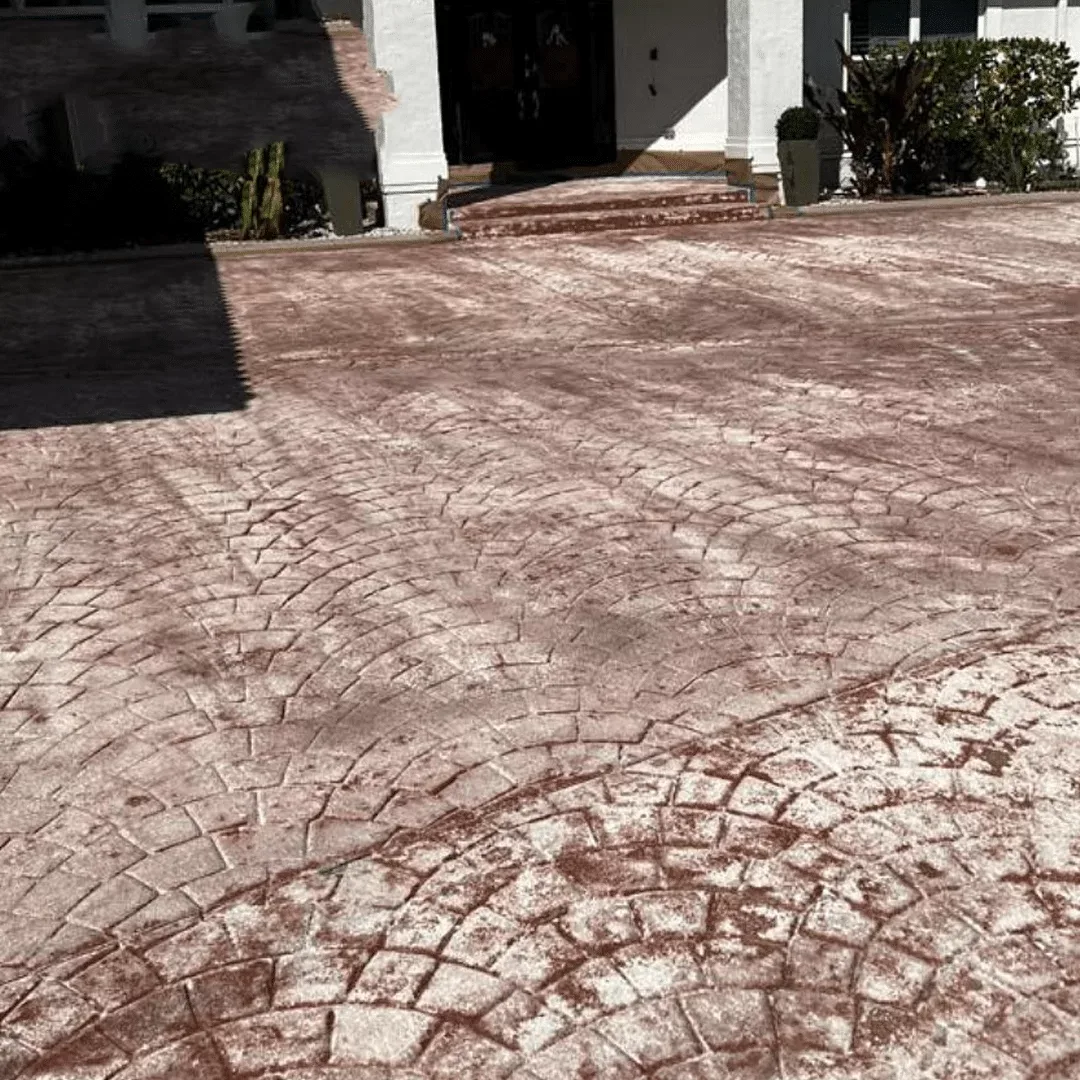
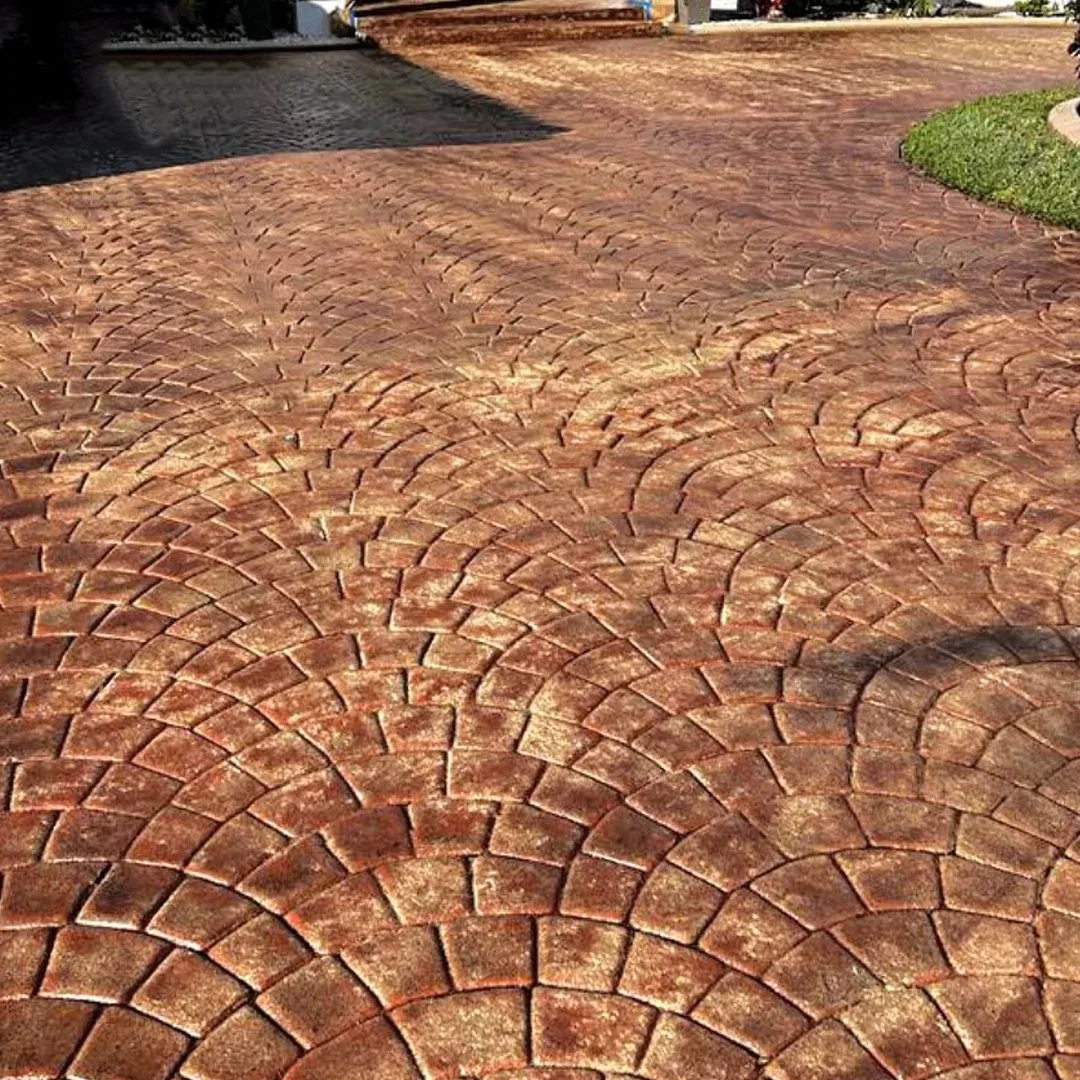
Stamped concrete driveway with a white, cloudy sealer

Why sealer turns white

Beautiful pavers, the wrong sealing job

We have seen it time and time again. A homeowner invests thousands of dollars in beautiful decorative pavers, and the sealer is not applied properly. The job can look amazing the day it is finished, but within a short time the pavers start to turn white and cloudy.

We rarely use xylene-based (solvent) sealers, and we do not recommend them. When we reseal, we use a two-part premium urethane sealer made to be applied on dry or damp surfaces, so South Florida humidity does not hold the job back. Even with the right product, the result depends on how the sealer is applied.

  • Moisture trapped under a sealer that is not made for it, very common in South Florida humidity and rain
  • The wrong sealer for the surface or the conditions
  • Too many coats or an incompatible product on top of an old sealer

Our guarantee

We are the only company in Florida that guarantees our sealer will not turn white and cloudy. Limited warranty, ask us for the details on your project.

Fact vs fiction

What really matters when sealing pavers and natural stone

Fact

  • The right sealer must be matched to the surface and conditions.
    Different pavers and natural stones require different sealing systems. Product selection should be based on the stone, porosity, application and environmental conditions.
  • Two-part urethane sealers can be designed for moisture-tolerant applications.
    When properly formulated and applied according to the manufacturer’s specifications, certain two-part urethane sealers can be applied to substrates with residual moisture. The sealer we use is one of them: we can apply it on dry or damp surfaces.
  • Proper surface preparation is essential for long-lasting results.
    Cleaning, stain removal, efflorescence treatment, organic growth removal and proper surface preparation are critical before applying any sealer.

Fiction

  • “All sealers require a completely dry surface.”
    Not necessarily. Sealer requirements vary by chemistry. Some two-part urethane systems are specifically designed to tolerate moisture during application.
  • “More sealer means better protection.”
    More is not always better. Depending on the sealer and how it is applied, excessive product can lead to improper curing, hazing, whitening, tackiness or other coating problems.
  • “Sealing is just about making the surface look shiny.”
    Sealing is much more than appearance. The right system can provide protection against staining, moisture intrusion, weather exposure and everyday wear while enhancing the natural beauty of the surface.

The key is not simply applying a sealer. It is using the right sealer, on the right surface, with the right preparation and application process.

Our process

How we fix a white, cloudy sealer

Another coat on top only traps more moisture. The failed layer has to come off first.

  1. Inspect the surface

    We identify the paver or stone, the existing sealer, how many layers there are and where the moisture is coming from.

  2. Chemically strip the old sealer

    A stripper made for the job removes the cloudy, failing layer that pressure washing cannot touch.

  3. Reseal with the right product

    We reseal with a two-part premium urethane sealer matched to the surface, applied in the right amount and to the manufacturer’s specifications.

  4. Cure time and aftercare

    You get a clear cure window and a resealing schedule that fits South Florida weather.

Real results

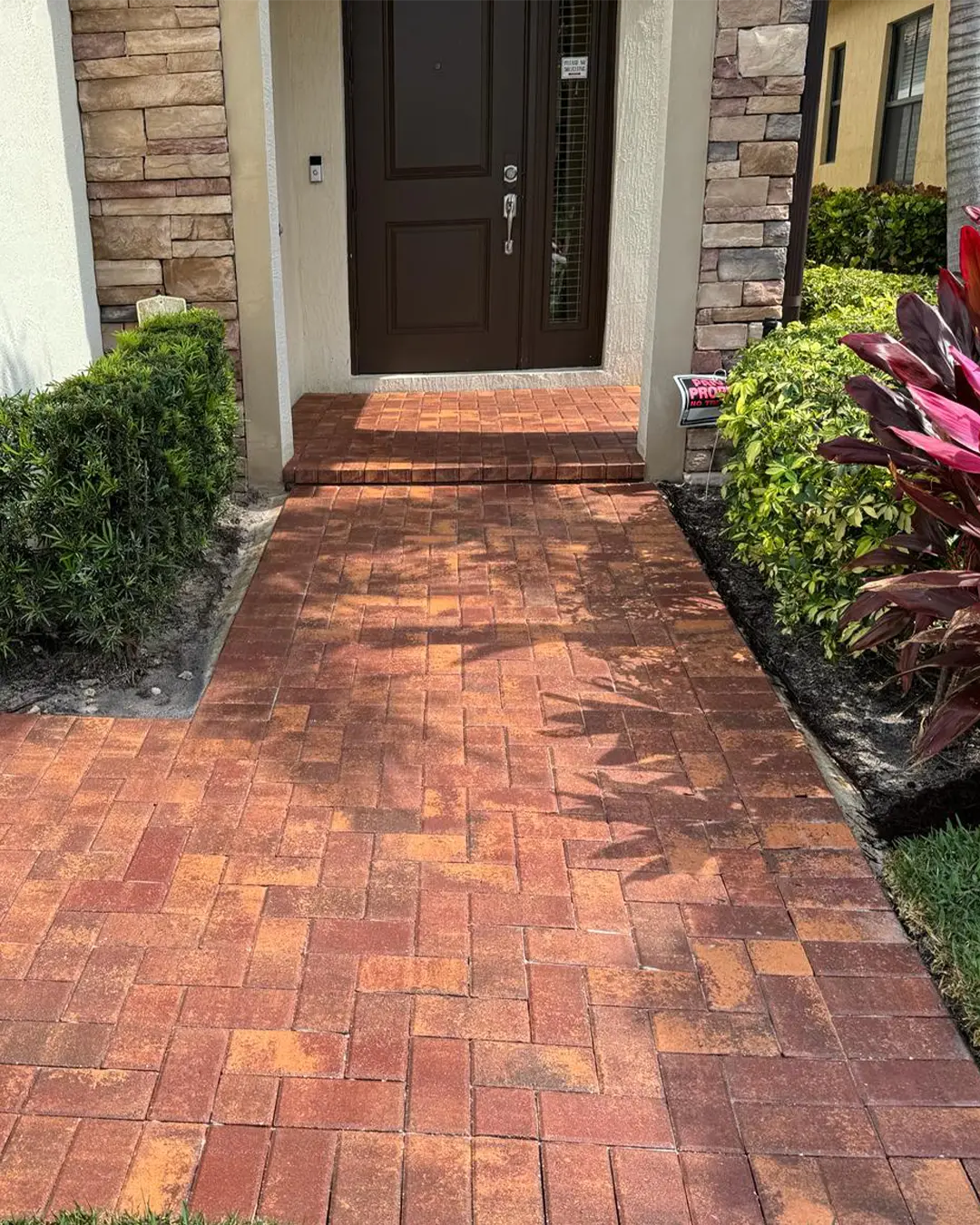
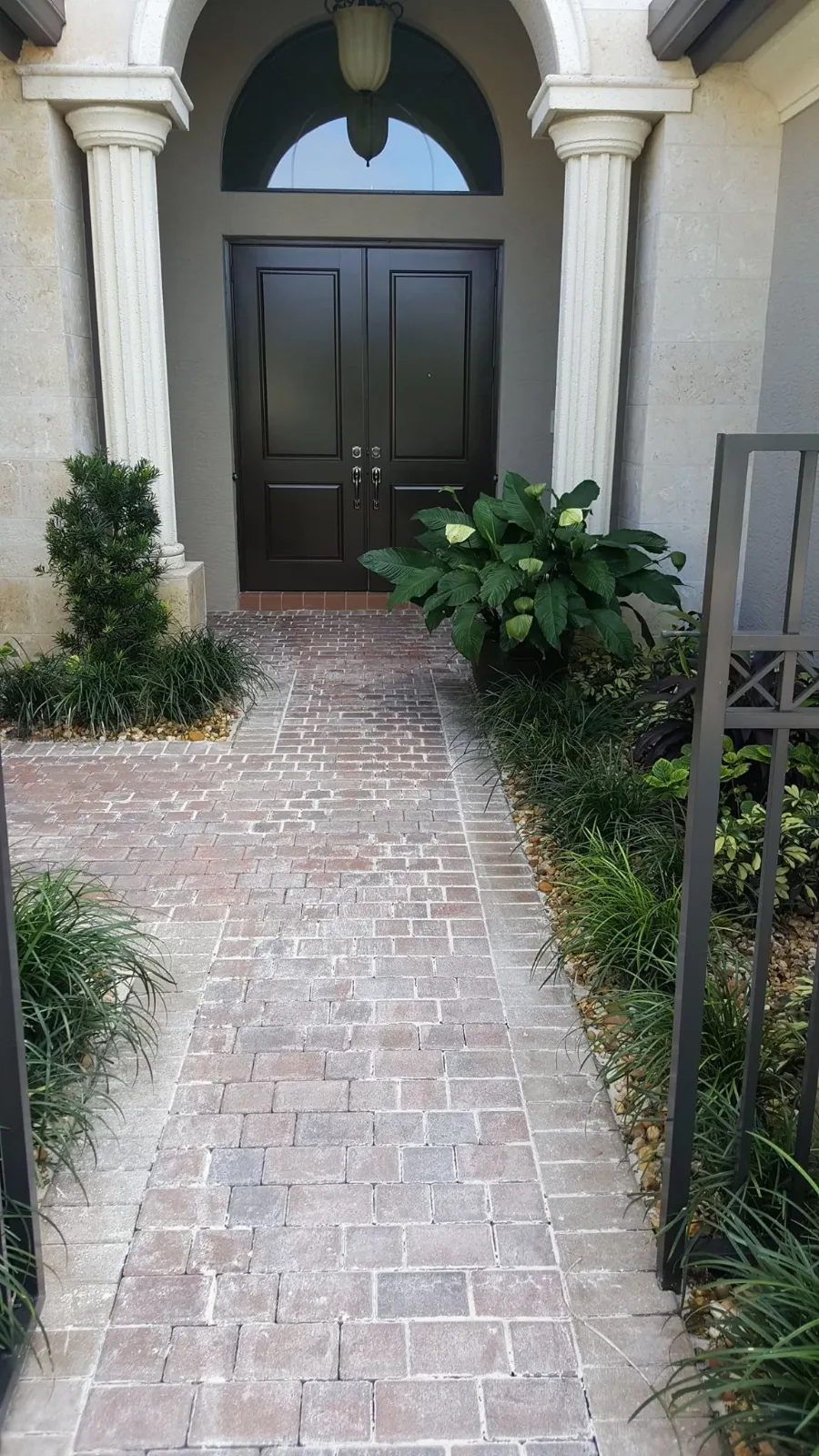
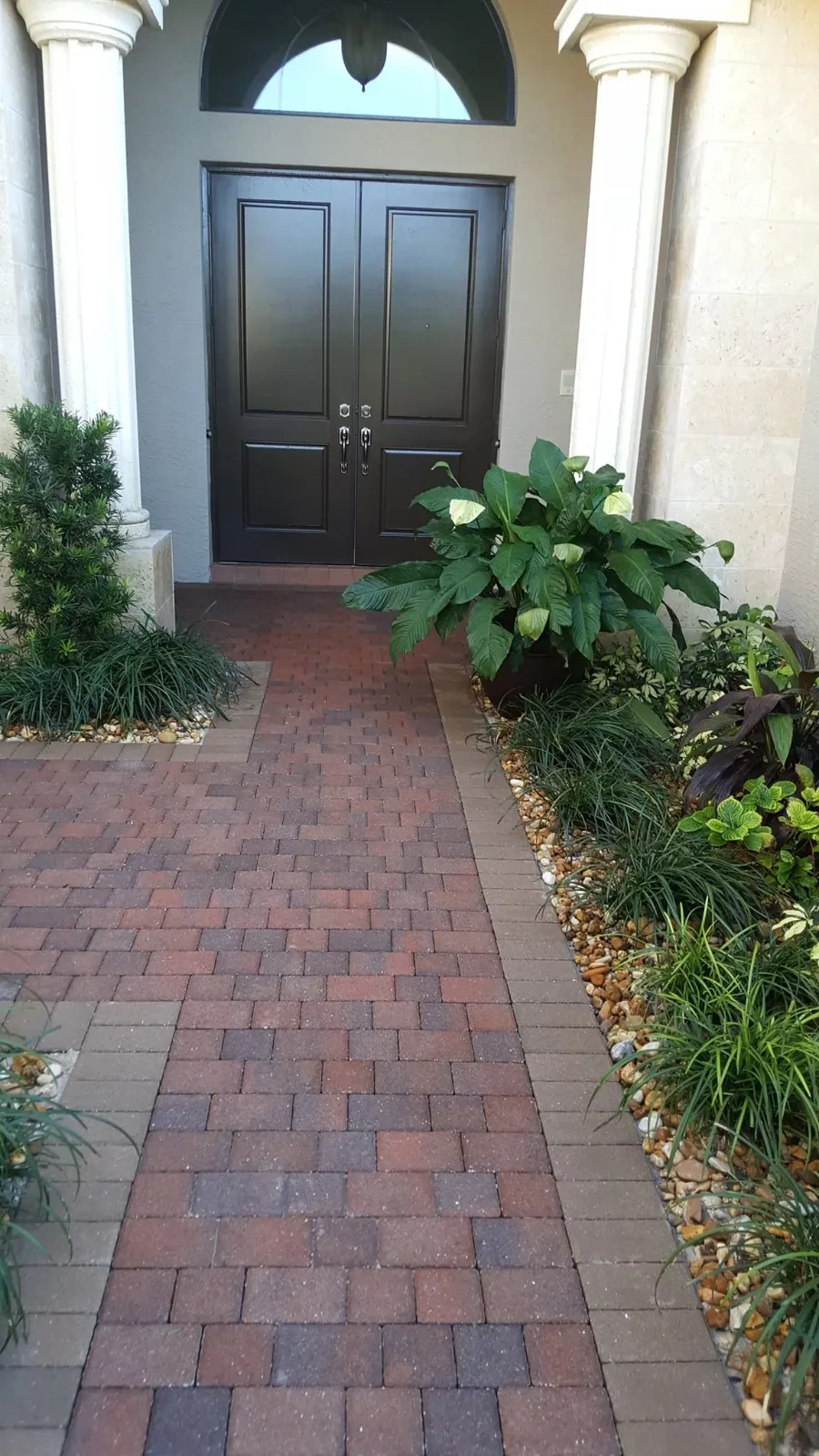
Before and after sealer removal

Drag across each photo to compare. These projects are from our white cloudy sealer removal work.
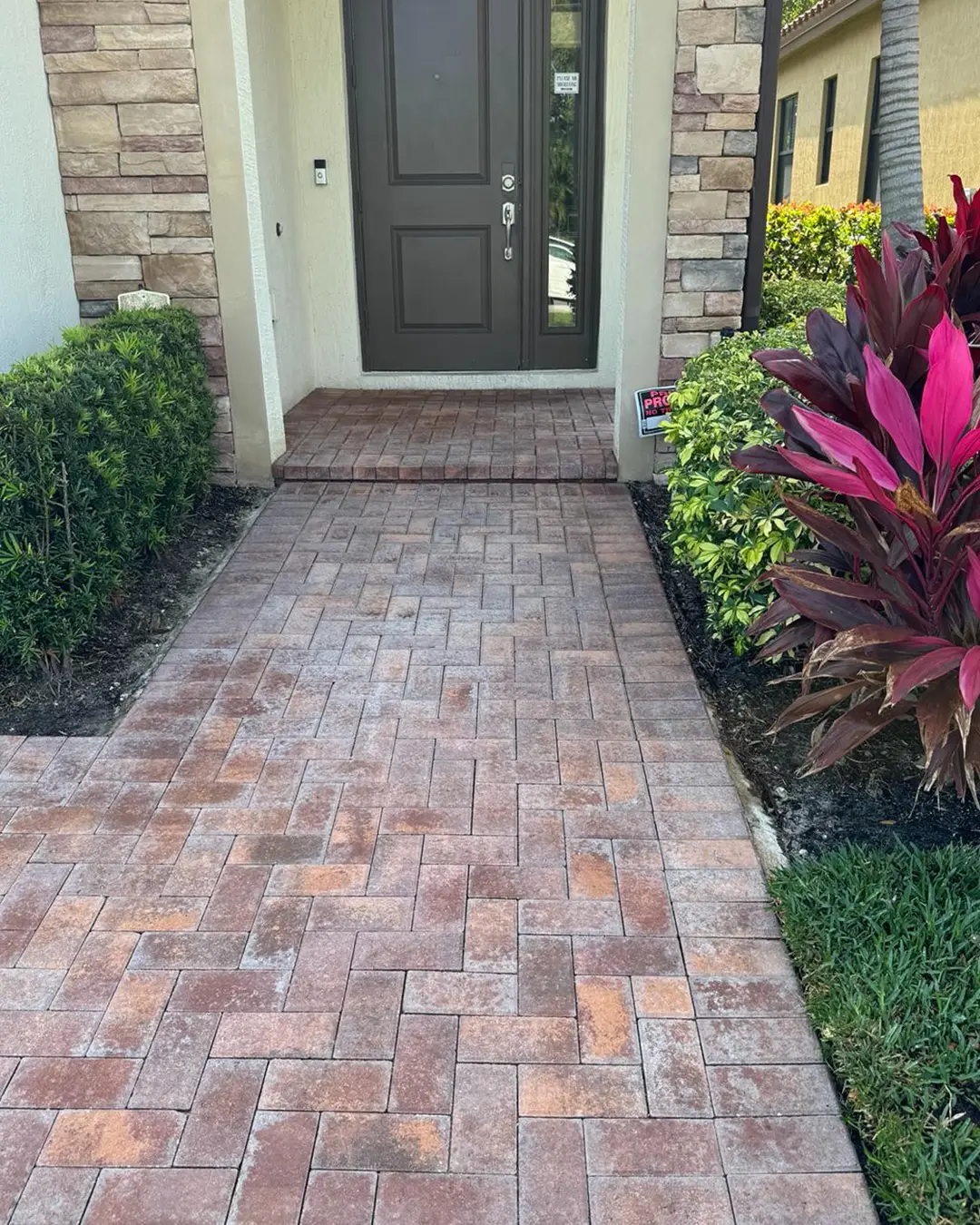
Brick paver walkway beforeBrick paver walkway after BeforeAfter
Brick paver walkway
Front entry paver walkway beforeFront entry paver walkway after BeforeAfter
Front entry paver walkway
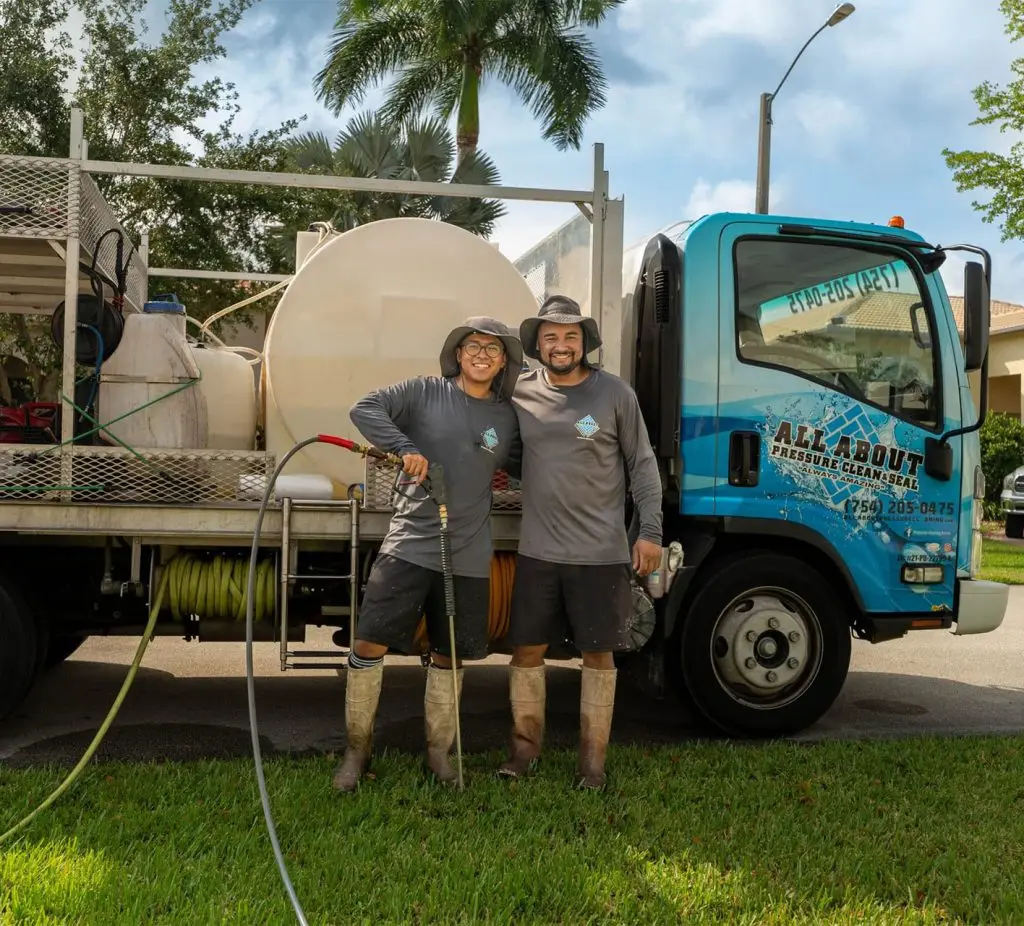
All About Pressure Clean & Seal team next to the company truck

Where we do it

Residential and commercial properties

We restore cloudy sealers on homes and on commercial properties across Broward and Palm Beach County, and we choose the sealer based on the surface: pavers, concrete, stamped concrete or natural stone.

  • Driveways and walkways
  • Pool decks and patios
  • Storefronts and restaurants
  • Apartments and condos
  • Public and private garages

FAQ

White cloudy sealer questions

What are the main reasons a sealer turns white?

The most common causes are a sealer that is not made for South Florida humidity and rain, the wrong product for the surface, too many coats or poor application. Any of these can leave a white, cloudy appearance.

Is a white, cloudy sealer a sign of permanent damage?

Not necessarily. In most cases it can be reversed with professional stripping, cleaning and the correct reseal.

Will pressure washing remove the white haze?

No. Pressure washing alone will not fix it. The failed sealer has to be chemically stripped before a new one is applied.

Can you fix cloudy sealer on commercial properties?

Yes. We restore cloudy sealers on residential and commercial properties, including storefronts, office buildings, parking areas and community spaces.

Do you use different sealers for different surfaces?

Yes. We choose the sealer based on the material, whether it is pavers, concrete, stamped concrete or natural stone.

What happens if I leave the cloudy sealer as it is?

Over time the cloudy layer can trap dirt, peel or flake and make the surface look worse, which usually means a bigger restoration later.

Can a DIY sealer job cause cloudiness?

Yes. Too much sealer, the wrong product for the surface or poor application are the most common causes of a cloudy, uneven finish.

How soon can I walk or drive on the surface afterwards?

Foot traffic is usually fine after 24 hours. Wait 3 days (72 hours) after sealing before driving on it. We give you the exact window for your project.

How often should I reseal my driveway or patio?

With South Florida sun and rain, we recommend resealing every 2 to 3 years to keep the surface protected.

Can you seal a damp surface?

Yes. Our two-part premium urethane sealer is made to be applied on dry or damp surfaces, so we do not have to wait for a perfectly dry day to seal.

Do you guarantee your sealer will not turn white?

Yes. We are the only company in Florida that guarantees our sealer will not turn white and cloudy, with a limited warranty. Ask us for the warranty details on your project.

How do I get an estimate?

Call us at 754-219-1605 or use our contact form. We inspect the surface and recommend the right solution before any work begins.

Is your sealer turning white?

We will inspect it and tell you exactly what it needs.