When Pressure Washing Can Damage Surfaces If Done Incorrectly
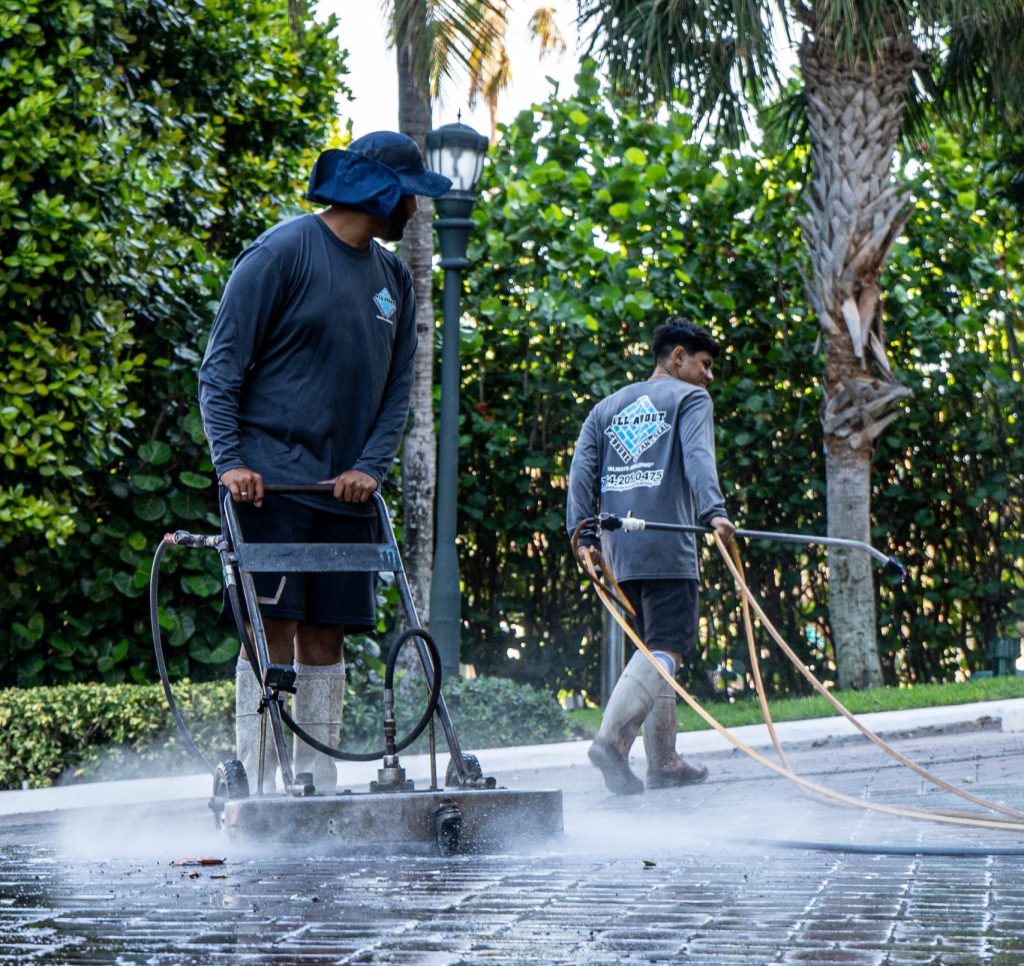
Pressure washing is often seen as a fast and effective way to clean exterior surfaces. However, when pressure washing is done incorrectly, it can cause serious and expensive damage. Understanding when pressure washing can damage surfaces is essential for homeowners, property managers and investors who want to protect their assets rather than unintentionally harm them. While pressure washing has clear benefits, improper techniques, incorrect pressure levels and lack of material knowledge can lead to long term structural problems. Why Pressure Washing Can Be Risky Pressure washing works by forcing water at high velocity against a surface to remove dirt, stains and buildup. The problem is that not all surfaces can handle the same level of pressure. Materials such as pavers, marble, travertine, concrete and painted surfaces each require different approaches. Excessive pressure can strip protective sealers, erode joint sand between pavers and create micro fractures in stone. These small fractures may not be visible immediately but can weaken the material over time. In humid climates like Florida, forcing water deep into porous surfaces increases moisture retention. This can lead to mold growth, algae development and internal deterioration that appears months later. Common Damage Caused by Incorrect Pressure Washing Using the wrong nozzle or applying too much pressure can cause visible etching on concrete and natural stone. Painted surfaces may peel or chip. Pavers can become uneven if joint sand is removed aggressively. Wood decks may splinter or develop permanent grooves. Another common issue is sealer failure. High pressure washing can prematurely strip or weaken a protective sealer, leaving the surface exposed to sun, rain and chemical damage. In extreme cases, water can penetrate beneath surfaces and contribute to long term foundation or structural concerns. Why DIY Pressure Washing Often Creates Problems Many homeowners rent pressure washing equipment without understanding surface tolerances. Rental machines often operate at high PSI levels that are not appropriate for delicate materials. Without training, it is easy to hold the nozzle too close, use the wrong spray pattern or focus on one area too long. DIY pressure washing may appear successful at first because the surface looks cleaner. However, hidden damage can develop over time, leading to fading, surface weakening or costly repairs. How Professional Pressure Washing Prevents Damage Professional technicians evaluate the type of material, condition of the surface and surrounding environment before starting any cleaning process. Instead of relying solely on high pressure, experienced professionals adjust pressure levels, select proper nozzles and use appropriate cleaning solutions. In many cases, a lower pressure combined with specialized cleaners produces better results while protecting the integrity of the surface. Professionals also understand how to avoid forcing water into vulnerable areas such as joints, cracks and expansion gaps. When sealing is required after cleaning, professionals ensure the surface is properly prepared without causing damage that compromises adhesion. Protecting Your Investment Exterior surfaces represent a significant investment. Driveways, pool decks, patios and stone walkways contribute to both property value and daily functionality. Damage caused by improper pressure washing can reduce curb appeal, shorten material lifespan and create unexpected repair expenses. For property investors, avoiding surface deterioration protects long term returns and reduces maintenance costs. For homeowners, proper cleaning methods preserve aesthetics and structural stability. Frequently Asked Questions Can pressure washing remove joint sand from paversYes. Excessive pressure can wash out sand between pavers, causing movement and instability. Is pressure washing safe for natural stoneOnly when done correctly. Natural stone requires controlled pressure and appropriate cleaning solutions. How do I know if my surface is damaged after pressure washingSigns include rough texture, fading, uneven joints, peeling paint or visible etching. Should surfaces be sealed after pressure washingIn many cases, yes. Sealing helps restore protection and reduce future damage. The Right Approach Makes the Difference Pressure washing is a valuable tool when used properly. However, when pressure washing is done incorrectly, it can damage surfaces and create long term problems that are far more expensive than the cleaning itself. Professional service ensures the right balance between effective cleaning and surface protection. For homeowners and investors who want to maintain property value and avoid unnecessary repairs, professional pressure washing is not just about appearance. It is about safeguarding the integrity of the materials themselves.
How Professional Marble Cleaning Protects Your Investment
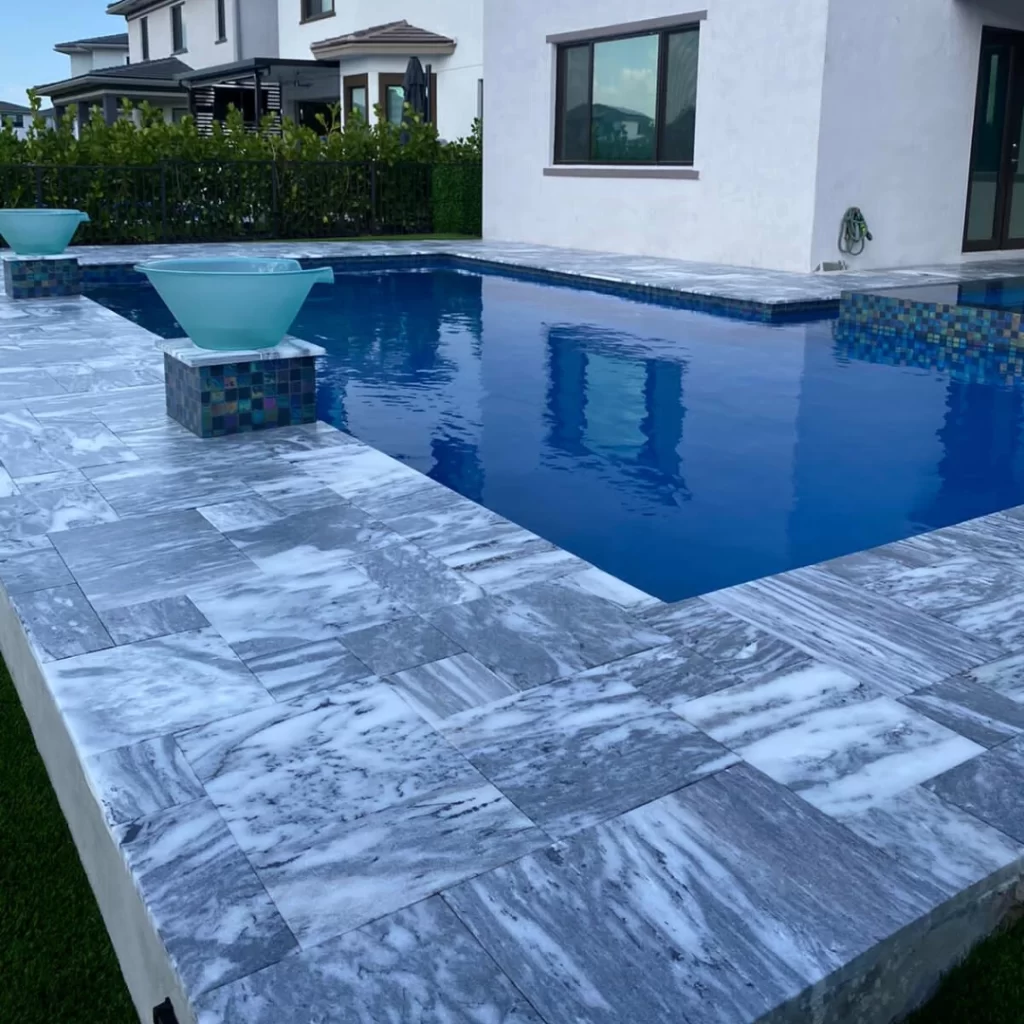
Marble is one of the most elegant and valuable materials used in residential and commercial properties. From floors and pool decks to entryways and countertops, marble enhances both aesthetic appeal and property value. However, without proper care, this natural stone can deteriorate quickly. Professional marble cleaning protects your investment by preserving structural integrity, appearance and long term performance. Understanding how marble behaves and why it requires specialized maintenance is essential for homeowners and property investors who want to avoid premature damage and costly replacement. Why Marble Is Vulnerable to Damage Marble is a natural stone composed primarily of calcium carbonate. While durable, it is also porous and chemically sensitive. Everyday exposure to moisture, acidic substances, foot traffic and environmental contaminants can lead to etching, staining and surface dullness. In Florida, high humidity, rain and pool chemicals increase the risk of marble deterioration. Outdoor marble surfaces are especially vulnerable to algae growth, mineral deposits and sun related wear. Over time, these elements weaken the stone and diminish its appearance. The Risks of Improper Cleaning Many property owners unknowingly damage marble by using incorrect cleaning products or aggressive pressure washing. Acidic cleaners, bleach and harsh chemicals can permanently etch the surface. High pressure washing can force water deep into the stone, increasing internal moisture retention and long term weakening. Improper cleaning methods often create microscopic surface damage that becomes visible months later as dull patches, discoloration or surface breakdown. Once marble is compromised, restoration becomes more complex and expensive. What Professional Marble Cleaning Involves Professional marble cleaning is not simply surface washing. It involves controlled cleaning methods designed specifically for natural stone. Trained technicians use pH balanced solutions, low pressure techniques and specialized equipment to remove contaminants without harming the surface. In cases of staining or etching, professional restoration may include honing and polishing to restore smoothness and shine. Proper sealing is also essential. A high quality stone sealer reduces moisture absorption and protects against staining while maintaining the natural appearance of the marble. How Professional Cleaning Extends Marble Lifespan Routine professional maintenance prevents buildup that weakens marble over time. Removing algae, mineral deposits and embedded contaminants reduces long term structural stress. Sealing helps protect the stone from water intrusion, staining and chemical damage. When maintained correctly, marble surfaces can last decades without requiring replacement. For high value properties, this significantly reduces long term repair costs and preserves resale appeal. Protecting Property Value Marble is often installed in luxury homes, waterfront properties and high end commercial spaces. Visible damage or neglect can negatively impact property value and buyer perception. Clean, polished and properly maintained marble reflects quality and care. For investors and property managers, professional marble cleaning supports asset preservation. Maintaining premium finishes protects overall property valuation and helps avoid major restoration expenses later. Frequently Asked Questions How often should marble be professionally cleanedOutdoor marble in Florida should typically be professionally cleaned every 6 to 12 months depending on exposure and usage. Can pressure washing damage marbleYes. Excessive pressure can force water into the stone and cause long term internal damage. Does marble need to be sealedYes. Sealing reduces water absorption and protects against staining, especially in humid climates. Is DIY marble cleaning enoughBasic cleaning may maintain surface appearance temporarily, but professional service ensures deeper protection and prevents hidden damage. Long Term Protection Starts With Proper Care Marble is a long term investment in both design and property value. Professional marble cleaning protects your investment by preventing avoidable damage, preserving structural integrity and maintaining the refined look that makes marble desirable. For homeowners and investors who want reliable results and lasting protection, professional care is not an expense. It is a strategy for safeguarding one of the most valuable materials in your property.
How Florida Weather Damages Exterior Surfaces
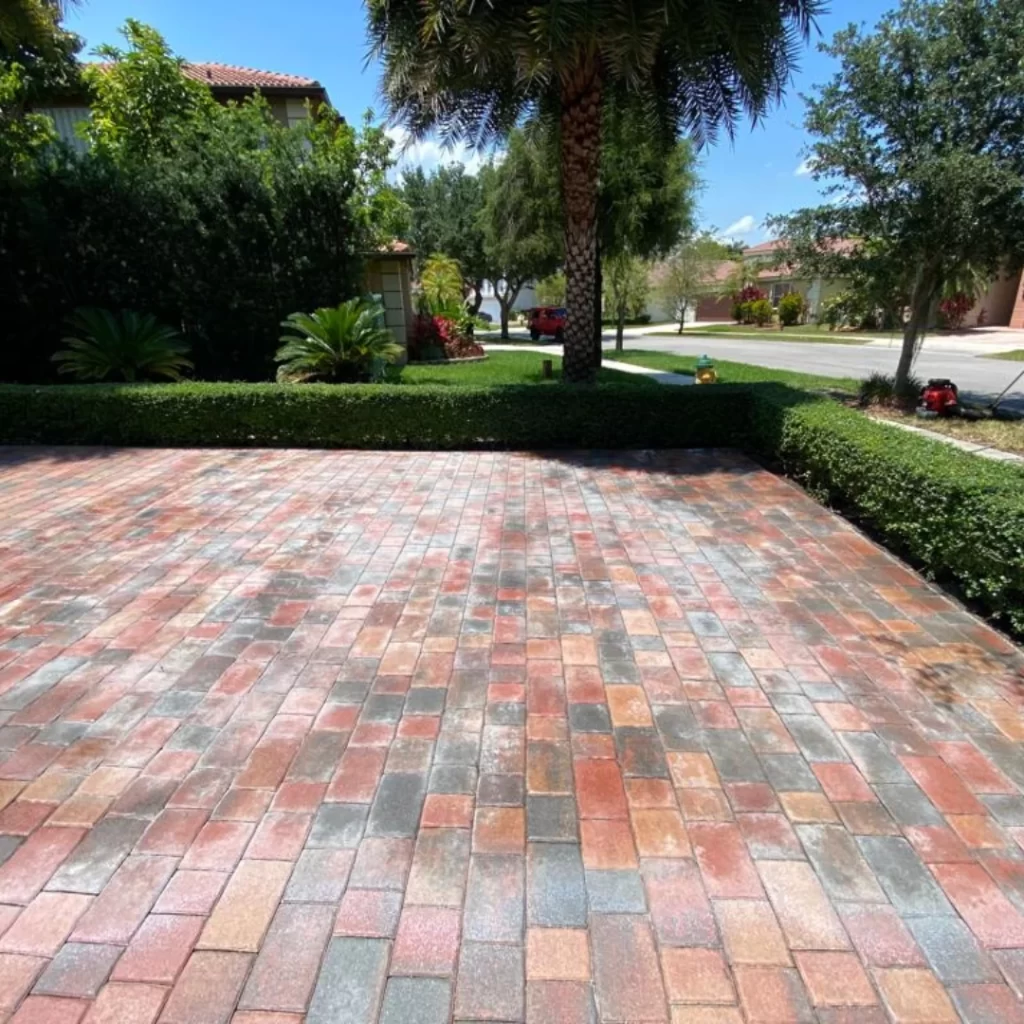
Florida weather is one of the biggest hidden threats to exterior surfaces. While the sunshine and coastal climate are part of what makes living here appealing, those same conditions quietly wear down pavers, concrete, marble and other outdoor materials year after year. Understanding how this damage happens is the first step toward protecting your property and avoiding costly repairs. This guide explains how Florida weather affects exterior surfaces, why damage often appears sooner than expected and what property owners can do to preserve long term value. Intense Sun Exposure and UV Damage Florida receives high levels of ultraviolet radiation throughout the year. Constant sun exposure dries out surface materials, breaks down sealers and accelerates fading. Pavers and concrete lose their original color, while stone surfaces become brittle and porous over time. When sealers degrade under UV exposure, surfaces are left unprotected. This allows moisture, dirt and contaminants to penetrate deeper, speeding up deterioration and increasing the risk of cracking and surface erosion. High Humidity and Moisture Retention Humidity is one of the most damaging elements for exterior surfaces in Florida. Moisture becomes trapped inside porous materials like concrete, pavers and natural stone. Over time, this leads to mold, algae and mildew growth, which not only affects appearance but also creates slippery and unsafe conditions. Moisture retention also weakens surface structure. When water penetrates beneath the surface, it can cause shifting, settling and long term instability, especially in driveways and pool decks. Heavy Rainfall and Drainage Issues Florida’s frequent and intense rainstorms place additional stress on exterior surfaces. Poor drainage allows water to pool, which accelerates surface breakdown and washes away joint sand between pavers. This can lead to uneven surfaces, weed growth and movement of the paver system. Rainwater often carries minerals and contaminants that leave behind stains, discoloration and residue. Without proper cleaning and sealing, these stains become permanent and increasingly difficult to remove. Salt Air and Coastal Exposure Properties near the coast face an extra layer of damage from salt in the air. Salt particles settle on surfaces and draw moisture, increasing corrosion and surface erosion. Over time, this causes accelerated wear, staining and premature failure of sealers. Even homes located several miles inland can experience salt related damage depending on wind patterns and seasonal weather conditions. Temperature Fluctuations and Surface Stress Although Florida does not experience freezing temperatures in most regions, daily temperature swings still affect exterior materials. Surfaces expand under heat and contract as temperatures cool, creating stress within the material. Over time, this repeated movement leads to cracking, surface fatigue and structural weakening. When surfaces are already compromised by moisture or UV damage, temperature stress accelerates deterioration even further. Why Damage Often Goes Unnoticed Many property owners do not realize their surfaces are being damaged until visible problems appear. By the time fading, staining or surface movement becomes obvious, underlying damage has often been developing for years. Exterior surfaces rarely fail suddenly. Damage happens gradually, which is why regular inspections, professional cleaning and proper sealing are critical for long term protection. How Professional Surface Care Prevents Long Term Damage Professional cleaning removes contaminants that trap moisture and accelerate deterioration. Proper sealing creates a protective barrier that reduces water absorption, blocks UV damage and helps surfaces maintain their structural integrity. Unlike basic pressure washing, professional surface care uses methods and products designed specifically for Florida’s climate. This approach extends the lifespan of exterior surfaces and helps property owners avoid premature replacement. Protecting Your Investment in Florida Exterior surfaces are a major part of a property’s value and curb appeal. For homeowners, maintaining these surfaces protects daily use areas like driveways, patios and pool decks. For investors, proper surface care helps preserve property condition, reduce maintenance costs and support long term asset value. Florida weather is unavoidable, but surface damage is not. With the right maintenance strategy, property owners can significantly reduce wear, extend surface lifespan and maintain a clean, safe and attractive exterior year round.
How Often Should You Seal Pavers in Florida? Here’s What Experts Recommend
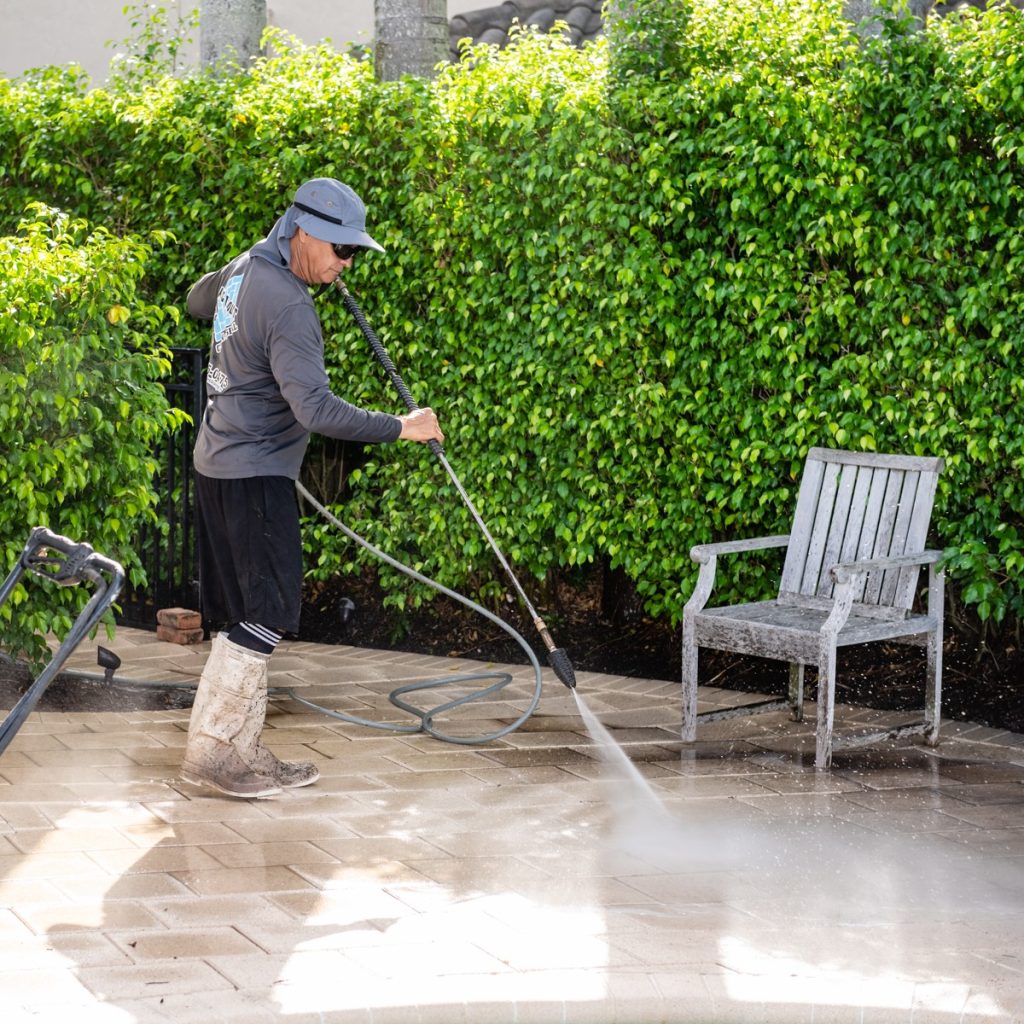
If Florida’s humidity had a personality, it’d be that clingy neighbour who never knows when to leave. Throw in heavy rain, intense sun, and hurricane season, and it’s no wonder your pavers start looking worn out fast. Whether it’s your pool deck, patio, or driveway, that Florida weather takes a toll. I’ve been pressure cleaning and sealing pavers across South Florida for over 17 years. Let me tell you — sealing your pavers here isn’t just a nice-to-have. It’s essential if you want them to hold up and look great. Let’s break down what you really need to know: when to seal, why it matters, and how to make sure your surfaces stay in top shape. Why Paver Sealing Matters in Florida Florida weather is no friend to outdoor surfaces. The combination of UV rays, moisture, and algae-prone conditions makes paver sealing more than just a good idea — it’s basic maintenance for anyone who wants to avoid early replacements. Here’s what sealing your pavers actually does: Without sealing, pavers in Florida start to degrade quickly — especially in shaded, moist areas where mold and mildew love to grow. How Often Should You Seal Your Pavers in Florida? So, let’s get to the main question: how often should you seal your pavers if you live in Florida? The short answer: every 2 to 3 years. But that’s not a one-size-fits-all recommendation. The real answer depends on a few local and material-specific factors. Here’s what influences the sealing schedule: General Timeline Always keep an eye out for fading color, dull finish, or eroded joint sand — these are signs it’s time to reseal. What Time of Year Is Best for Paver Sealing in Florida? This is a common question we get from homeowners and property managers alike. Florida’s tropical weather can be tricky, so timing is key to getting a long-lasting seal. If you’re unsure, ask your sealing contractor for a local forecast window before booking. At All About Pressure Clean & Seal, we monitor weather closely before every job. I remember working with JRS Distribution. Emmanuel took care of the pressure washing and sealing, using a pigmented, penetrating sealer that really brought their old pavers back to life. They also had a tree root lifting part of the driveway. We pulled up the pavers, removed the root, and reset everything the right way — no shortcuts. Later on, they mentioned wanting to reseal their travertine pavers and get their windows cleaned. It’s always a good feeling when a customer trusts you enough to call you back for more work. Tips to Get the Most Out of Your Paver Sealing A good sealing job should last a couple of years, but only if the prep work and conditions are right. Here are some practical tips to help you get more mileage out of your sealing investment: Quick Test You Can Do at Home: Sprinkle water on your pavers. If it soaks in quickly instead of beading up, it’s probably time to reseal. Paver sealing in Florida isn’t just maintenance—it’s protection against everything the climate throws at your property. Keeping a proper schedule not only keeps your outdoor areas looking great, but also prevents costly repairs down the line. Still not sure if it’s time to reseal? Text a photo of your pavers to our team at (754) 205-0475 and we’ll give you a free assessment. Or request a detailed quote and see real before-and-after results from other Florida homeowners like you.
How Do I Choose the Best Pressure Washing Service Near Me in Florida?
Thinking about renting a pressure washer to clean your driveway or patio?You blast the grime, but the mold clings on. Water splashes everywhere, the pavers still look dirty, and now your weekend’s gone. That’s why more Florida homeowners search for “pressure washing service near me.”They want it done right the first time—by professionals who know how to handle Florida’s mold, humidity, and sun-damaged surfaces. What Should I Look for in a Pressure Washing Service Near Me? Hiring a pressure washer isn’t just about someone showing up with a hose. You want results, safety, and a crew that respects your property. Here’s what matters: Bonus Tip: Ask if they use soft washing for delicate areas like travertine. It’s a gentler approach that won’t damage the surface. Real Results from Real Customers Let’s talk about JRS Distribution, a Florida homeowner who recently hired All About Pressure Clean & Seal. Here’s what they said: “Emmanuel was very respectful and professional in the work that he performed—pressure washing and sealing as well as applying the pigmented, penetrating sealer. It brought back my old faded pavers back to life.” “The company also removed the roots of a tree near my driveway by lifting the pavers and professionally putting them back. My next job? Resealing travertine pavers and window cleaning. Gonna use the company more often—would recommend them to anyone.” This is the kind of care and attention a true professional brings. It’s not just about blasting water—it’s about restoring and protecting your investment. What Surfaces Can Pressure Washing Help With? If you’re asking “what can I get pressure washed?”, the answer is: a lot. Here’s what Florida homeowners commonly clean: People Also Ask (PAA): Common Questions How Often Should I Pressure Wash in Florida? In Florida’s humid climate, pressure washing is often needed twice a year—especially for homes with lots of trees or near the ocean. Spring and fall are ideal times to refresh surfaces before and after the rainy season. Does Pressure Washing Improve Home Value? Yes. Even one good cleaning can dramatically boost curb appeal—which influences buyer perception and appraisal value. It’s one of the cheapest upgrades you can make before selling or hosting guests. Final Word: Don’t Just Google “Pressure Washing Service Near Me” We all love a good before-and-after, but real transformation comes with the right team. Whether it’s faded pavers, poolside travertine, or black streaks on your sidewalk, a quality company won’t just wash—they’ll restore, seal, and protect. You could rent a machine, get drenched, and hope for the best…Or you could get the job done right—professionally, safely, and beautifully. 📞 Call All About Pressure Clean & Seal at 754-266-1885. Or just Google us next time you search “pressure washing service near me”—we’ll be right there, ready to restore your shine.
Why You Need Pressure Cleaning for Mold Removal in Florida Homes
Florida’s humidity isn’t just a hair frizzing culprit—it’s a mold magnet. Step outside, and you’ll notice mold creeping onto driveways, patios, and walls, turning your home’s exterior into a science experiment. Pressure cleaning for mold removal isn’t about aesthetics; it’s about safeguarding your home from long-term damage. Here’s why it’s essential for Florida homeowners. The Mold Menace in Florida Florida’s warm, humid climate creates an ideal environment for mold growth. It’s not just unsightly; it’s a hazard. Why mold is a problem: DIY solutions often fall short, merely addressing surface mold. Professional pressure cleaning for mold removal tackles the root of the problem, ensuring thorough eradication. How Pressure Cleaning Effectively Removes Mold Pressure cleaning isn’t just about blasting away dirt; it’s a strategic process tailored to eliminate mold. The professional approach: Professionals ensure that mold is not just removed but also prevented from returning, protecting your home’s integrity. Real Results: A Client’s Experience Consider the experience of a local homeowner: “Our driveway was a moldy mess. We tried everything, but nothing worked. All About Pressure Clean & Seal transformed it completely. It looks brand new, and we’ve had no mold issues since. Highly recommend their service!” This testimonial underscores the effectiveness of professional pressure cleaning for mold removal in delivering lasting results. Benefits of Professional Pressure Cleaning Engaging professionals for mold removal offers numerous advantages: Regular professional cleaning is a proactive measure to maintain your home’s condition and value. When to Schedule Pressure Cleaning Timing is crucial in mold prevention. Be vigilant for signs indicating the need for professional cleaning: Scheduling pressure cleaning for mold removal annually, preferably before the rainy season, helps maintain a mold-free environment. FAQs: Addressing Common Concerns Is pressure cleaning safe for all surfaces?Professionals adjust pressure settings and use appropriate attachments to safely clean various surfaces without causing damage. Can pressure cleaning remove black mold?Yes, professional pressure cleaning effectively removes black mold from exterior surfaces, ensuring thorough decontamination How often should I schedule pressure cleaning?In Florida’s humid climate, annual pressure cleaning is recommended to prevent mold buildup and maintain your home’s appearance. Take Action: Protect Your Home Today Don’t let mold compromise your home’s safety and beauty. Trust the experts at All About Pressure Clean & Seal to provide effective, professional pressure cleaning for mold removal. Call us at (754) 266-1885 to schedule your service and restore your home’s exterior to its pristine condition.
Will Power Washing Remove White Cloudy Stains on Floors?
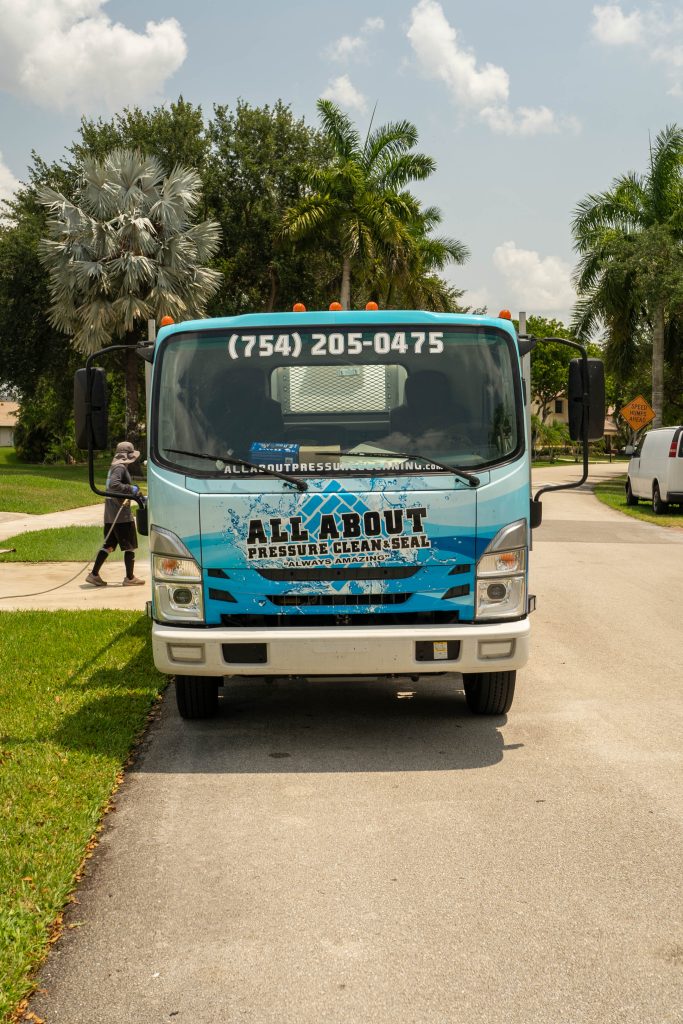
You know those mystery stains on your driveway or patio? Are those that look like your concrete trying to cosplay as a ghost? Yeah—those white cloudy stains. They show up out of nowhere and make your beautifully sealed floor look like dandruff. So, what’s the fix? Will power washing get rid of it? Let’s break it down. What Causes White Cloudy Stains on Floors? Before we talk removal, we need to understand the enemy. Here’s why white cloudy stains show up in the first place: We see this a lot in Palm Beach homes with pavers or decorative concrete. Florida’s humidity doesn’t help either! Can Power Washing Remove White Cloudy Stains? Short answer? Sometimes. Power washing can help—but it’s not always a complete solution. Will power washing remove cloudy sealer on floors? Here’s what we do at All About Pressure Clean & Seal: When power washing works: When it doesn’t work: How Do You Fix White Cloudy Stains Properly? Fixing white cloudy stains isn’t a one-size-fits-all situation. Here’s the process we follow: Step-by-step process: How do you fix cloudy sealer on a patio? In most cases: We also schedule sealing jobs around weather forecasts to avoid trapping moisture. Real Example from Palm Beach County One of our customers in Boca Raton had a white, blotchy pool deck sealed by another contractor. The haze looked like spilled milk and would not budge with DIY cleaners. We stripped the surface, used power washing to prep it, and resealed with a color-enhancing sealer. The customer was thrilled: “I honestly thought I’d have to replace the whole patio. These guys brought it back to life. It’s better than new!”— Amanda T., Boca Raton We’ve restored over 250 patios and driveways across Palm Beach County. We know what works, and what doesn’t. Why Trust All About Pressure Clean & Seal? If you’re dealing with a stubborn case of white cloudy stains, don’t just throw water at it and hope for the best. Power washing alone can’t always remove white cloudy stains, but it’s a powerful tool when used by pros who understand surface science. If you’re in Palm Beach County and want the job done right, let us help. Got a cloudy patio, ghosted driveway, or mystery milky stains? Don’t wait! Send us a photo today and we’ll tell you what’s going on—for free. 👉 Or call us now at 754-266-1885 to book your free floor inspection. Spring spots are filling up fast. Book your quote before the rainy season hits!
Common Paver Restoration Mistakes to Avoid in Broward County
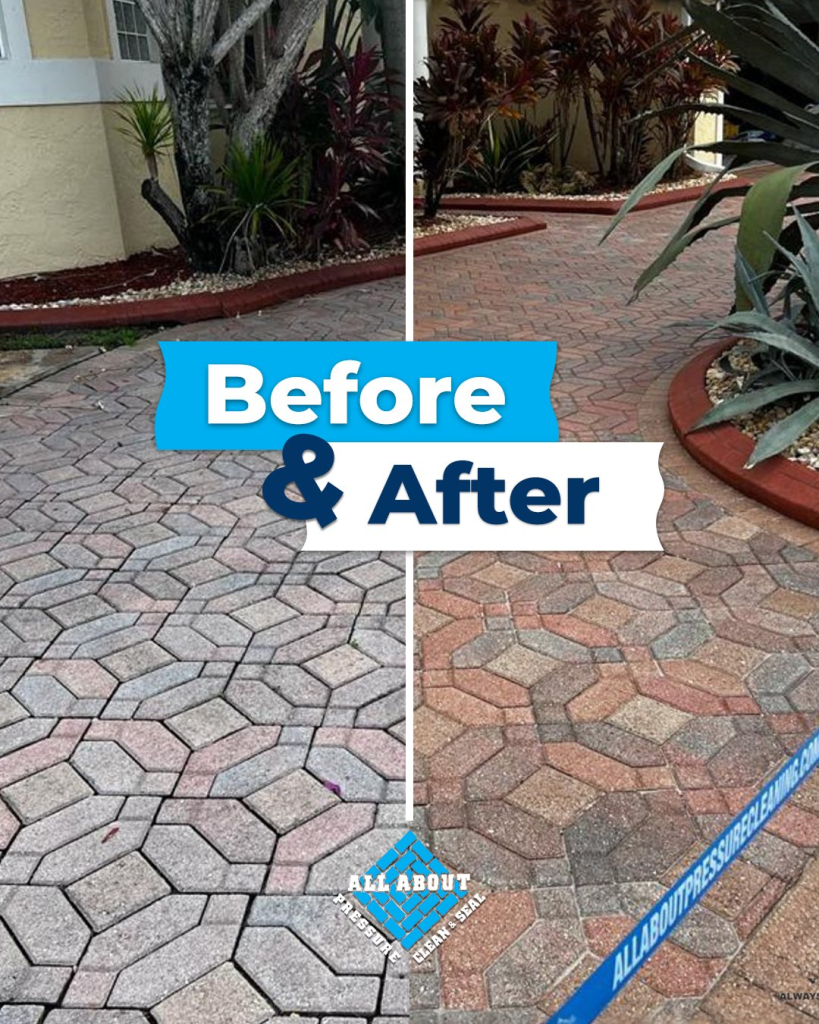
Paver restoration should make your outdoor space look brand new—not leave it patchy, faded, or worse, permanently damaged. However many homeowners unknowingly make costly mistakes that reduce the lifespan of their pavers. If you’ve ever tried a DIY approach and ended up with streaky sealer or lingering stains, you’re not alone. At All About Pressure Clean & Seal, we’ve restored countless paver surfaces across Broward County, fixing the very mistakes we’ll cover below. Whether you’re hiring a professional or tackling it yourself, knowing what not to do is just as important as knowing the right process. 1. Skipping Surface Preparation: The #1 Cause of Failed Paver Restoration Would you paint a car without washing it first? Of course not! Yet, many people seal dirty pavers, trapping grime, mold, and stains underneath. Proper surface preparation is essential for a long-lasting, even finish. What Happens When You Skip This Step? ❌ Sealer Won’t Bond Properly – Dirt, old coatings, and mildew create a barrier, leading to peeling and flaking.❌ Trapped Stains & Mold – Without deep cleaning, discoloration remains visible even after sealing.❌ Uneven Finish – Uncleaned pavers absorb sealer inconsistently, resulting in blotchy areas. The Right Way to Prepare Pavers ✔ Pressure washing with a high-powered system to remove dirt and algae.✔ Stripping old sealer if previous coatings have built up.✔ Re-sanding joints with polymeric sand to stabilize pavers. Pro Tip: Professionals use specialized power washing in Broward County to achieve a deep clean before sealing. 2. Choosing the Wrong Sealer for Broward County’s Climate Not all sealers are created equal. Many homeowners choose a cheap, hardware-store sealer that fades within months under Florida’s intense heat and humidity. Mistakes to Avoid ❌ Using a Low-Quality Sealer – Cheap sealers break down quickly, leading to early reapplications.❌ Selecting the Wrong Finish – High-gloss sealers may look nice initially but can become slippery and unsafe.❌ Applying Too Much Sealer – Thick layers trap moisture, causing cloudiness and premature wear. Best Sealer for Paver Restoration in Broward County ✔ Water-based sealers for UV resistance and breathability.✔ Matte or satin finish for a natural look without slipperiness.✔ Pigmented sealer options to enhance paver color while offering protection. 3. Rushing the Drying Time & Sealer Application Florida’s humidity can extend drying times, but many people underestimate how long they need to wait before applying a sealer. Applying too soon leads to moisture being trapped underneath, which can result in a cloudy or peeling finish. Common Drying Mistakes ❌ Not Allowing Pavers to Fully Dry – Residual moisture prevents proper adhesion.❌ Applying Sealer in the Wrong Weather Conditions – Humidity and rain can ruin the finish.❌ Overlapping or Overapplying Sealer – Creates an uneven, sticky surface. How to Ensure a Flawless Finish ✔ Wait at least 24-48 hours after power washing before sealing.✔ Check the forecast—avoid sealing if rain is expected within 24 hours.✔ Apply thin, even layers instead of a thick coat. FAQs About Paver Restoration in Broward County How long does paver restoration last? With high-quality sealers and proper maintenance, paver restoration can last 3-5 years before reapplication is needed. Can pressure washing damage pavers? If done incorrectly, yes. Using too much pressure can erode the sand between pavers. That’s why hiring professional power washing in Broward County is recommended. What’s the best time of year for paver restoration? Spring and fall are ideal because Florida’s extreme summer heat can cause sealers to dry too quickly, leading to uneven application. Why Choose All About Pressure Clean & Seal? We’ve been restoring pavers in Broward County for over 17 years, fixing DIY mishaps and ensuring lasting results. 📞 Call Now: (754) 266-1885 Get a Free Estimate on Paver Restoration in Broward County Today!
Why Is Surface Preparation Important Before Sealing Pavers?
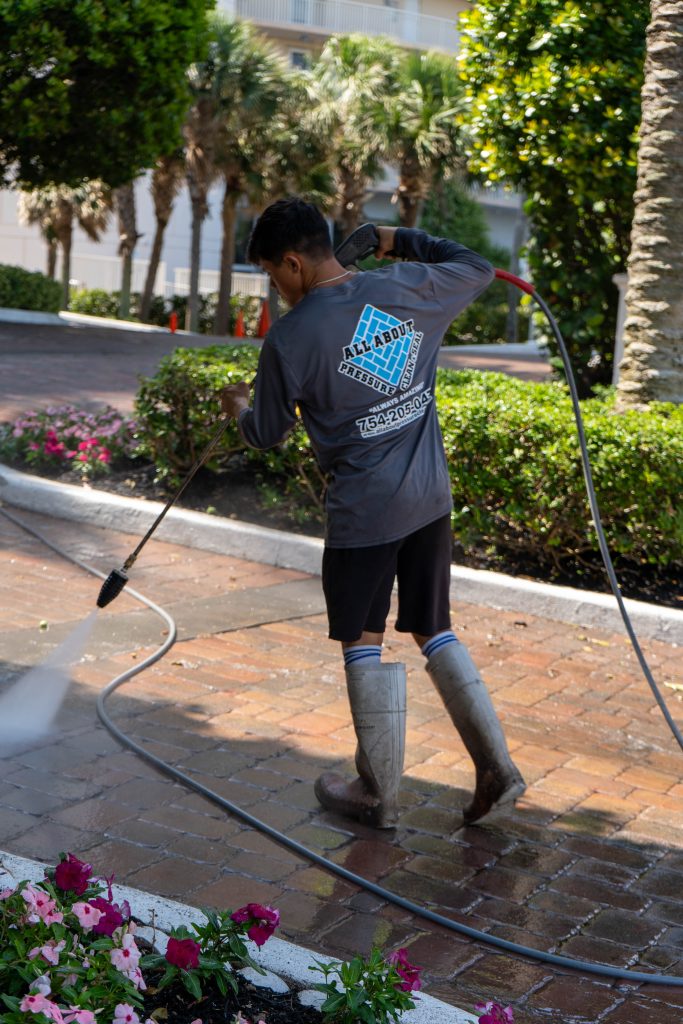
If sealing pavers were a dating game, skipping surface preparation would be like showing up without brushing your teeth—sure, you might get through the night, but the results won’t be pretty! Proper surface preparation is the foundation of a long-lasting, high-quality seal that protects and enhances your pavers. Whether you’re sealing a driveway, patio, or pool deck, prepping the surface is non-negotiable. The Role of Surface Preparation in Sealing Pavers Sealing pavers makes them look fresh and polished and protects them from weather damage, stains, and wear. However, without proper surface preparation, even the best sealer won’t adhere correctly, leading to premature failure. Here’s why surface prep is a game-changer: Steps to Proper Surface Preparation Before Sealing Pavers Think of surface preparation as the prep work before painting a masterpiece. Without the right steps, the final result will be disappointing. Here’s how professionals prepare surfaces before sealing pavers: 1. Deep Cleaning A pressure wash is the first step in preparing pavers. It removes dirt, mold, and mildew, preventing contaminants from getting trapped under the sealer. Professional cleaning services typically include: 2. Stripping Old Sealant (If Needed) If your pavers have been sealed before, old layers must be stripped away. A new layer of sealer on top of a deteriorated one won’t adhere properly. Stripping involves: 3. Sanding and Leveling Polymeric sand is often used to fill gaps between pavers. Before sealing pavers, professionals ensure: Frequently Asked Questions Why is surface preparation important? It ensures proper adhesion, extends the sealer lifespan, and prevents peeling or uneven finishes. How are pavers cleaned before sealing? Professionals use pressure washing and cleaners to remove dirt, mold, and old sealer. There are also other Softwash companies like Ad Astra Softwash that handle more delicate surfaces. Should the old sealer be removed? Yes, if it’s peeling or deteriorating, to ensure proper adhesion of the new sealer. How long should pavers dry before sealing? At least 24–48 hours to prevent moisture-related issues. What happens if prep is skipped? The sealer may peel, trap stains, or wear out quickly, requiring frequent reapplications. What Happens If You Skip Surface Preparation? Skipping surface preparation is like skipping sunscreen before a beach day—you might not notice the problem immediately, but damage is inevitable. Here’s what can go wrong: Get Professional Surface Preparation for the Best Results DIY paver sealing can be tempting, but without proper surface preparation, your hard work may go to waste. At All About Pressure Clean & Seal, we ensure your pavers are cleaned, stripped, and prepped for a flawless, long-lasting seal. Ready to give your pavers the care they deserve? Call us at 754-266-1885 for a free consultation and let’s make your surfaces shine the right way!
Why Ignoring Home Pressure Washing Services in Broward County Can Cost You Thousands
Imagine inviting guests over, only to have them mistaken your driveway for an abandoned lot. Yikes! While a little dirt might seem harmless, the truth is—ignoring regular home maintenance, especially pressure washing, can lead to costly repairs. Homeowners in Broward County often overlook exterior cleaning, but neglecting it can hit your finances hard. The good news? Home pressure washing service in Broward County All About Pressure Clean & Seal offers an easy, affordable solution to keep your property looking fresh while saving you money in the long run. The Hidden Costs of Skipping Pressure Washing You might think a little dirt or algae on your siding is just cosmetic, but the damage it causes over time can lead to expensive repairs. Here’s what can happen when you skip regular pressure washing: Regular home pressure washing services in Broward County eliminate these risks, keeping your property in top shape and preserving its value. How Pressure Washing Saves You Thousands Ignoring home pressure washing may seem like a cost-saving decision, but the reality is quite the opposite. Here’s how routine pressure washing actually puts money back in your pocket: 1. Extends the Lifespan of Your Home’s Exterior Dirt, grime, and algae slowly break down surfaces over time. Pressure washing removes these contaminants, preventing deterioration and extending the life of your siding, roof, driveway, and patio. 2. Prevents Costly Repairs Why replace when you can maintain? Pressure washing removes harmful buildup before it causes irreversible damage, saving you from spending thousands on structural repairs. 3. Boosts Property Value Thinking about selling your home? A well-maintained exterior increases curb appeal and property value, ensuring you get the best price for your investment. Signs Your Home Needs Pressure Washing ASAP Not sure if your home is due for a professional cleaning? Look out for these warning signs: If any of these sound familiar, it’s time to book home pressure washing services in Broward County before the damage worsens. Don’t Wait—Restore Your Home’s Beauty Today! Neglecting your home’s exterior can lead to avoidable expenses, but with regular pressure washing, you can protect your property and avoid hefty repair costs. All About Pressure Clean & Seal specializes in home pressure washing services in Broward County, helping homeowners like you maintain stunning, damage-free properties. Ready to give your home a fresh new look? Contact us today for a free quote and let’s bring back that curb appeal before it’s too late! 📞 Call us now: (754) 266-1885