Pressure washing is often seen as a fast and effective way to clean exterior surfaces. However, when pressure washing is done incorrectly, it can cause serious and expensive damage. Understanding when pressure washing can damage surfaces is essential for homeowners, property managers and investors who want to protect their assets rather than unintentionally harm them.
While pressure washing has clear benefits, improper techniques, incorrect pressure levels and lack of material knowledge can lead to long term structural problems.
Why Pressure Washing Can Be Risky
Pressure washing works by forcing water at high velocity against a surface to remove dirt, stains and buildup. The problem is that not all surfaces can handle the same level of pressure. Materials such as pavers, marble, travertine, concrete and painted surfaces each require different approaches.
Excessive pressure can strip protective sealers, erode joint sand between pavers and create micro fractures in stone. These small fractures may not be visible immediately but can weaken the material over time.
In humid climates like Florida, forcing water deep into porous surfaces increases moisture retention. This can lead to mold growth, algae development and internal deterioration that appears months later.
Common Damage Caused by Incorrect Pressure Washing
Using the wrong nozzle or applying too much pressure can cause visible etching on concrete and natural stone. Painted surfaces may peel or chip. Pavers can become uneven if joint sand is removed aggressively. Wood decks may splinter or develop permanent grooves.
Another common issue is sealer failure. High pressure washing can prematurely strip or weaken a protective sealer, leaving the surface exposed to sun, rain and chemical damage.
In extreme cases, water can penetrate beneath surfaces and contribute to long term foundation or structural concerns.
Why DIY Pressure Washing Often Creates Problems
Many homeowners rent pressure washing equipment without understanding surface tolerances. Rental machines often operate at high PSI levels that are not appropriate for delicate materials. Without training, it is easy to hold the nozzle too close, use the wrong spray pattern or focus on one area too long.
DIY pressure washing may appear successful at first because the surface looks cleaner. However, hidden damage can develop over time, leading to fading, surface weakening or costly repairs.
How Professional Pressure Washing Prevents Damage
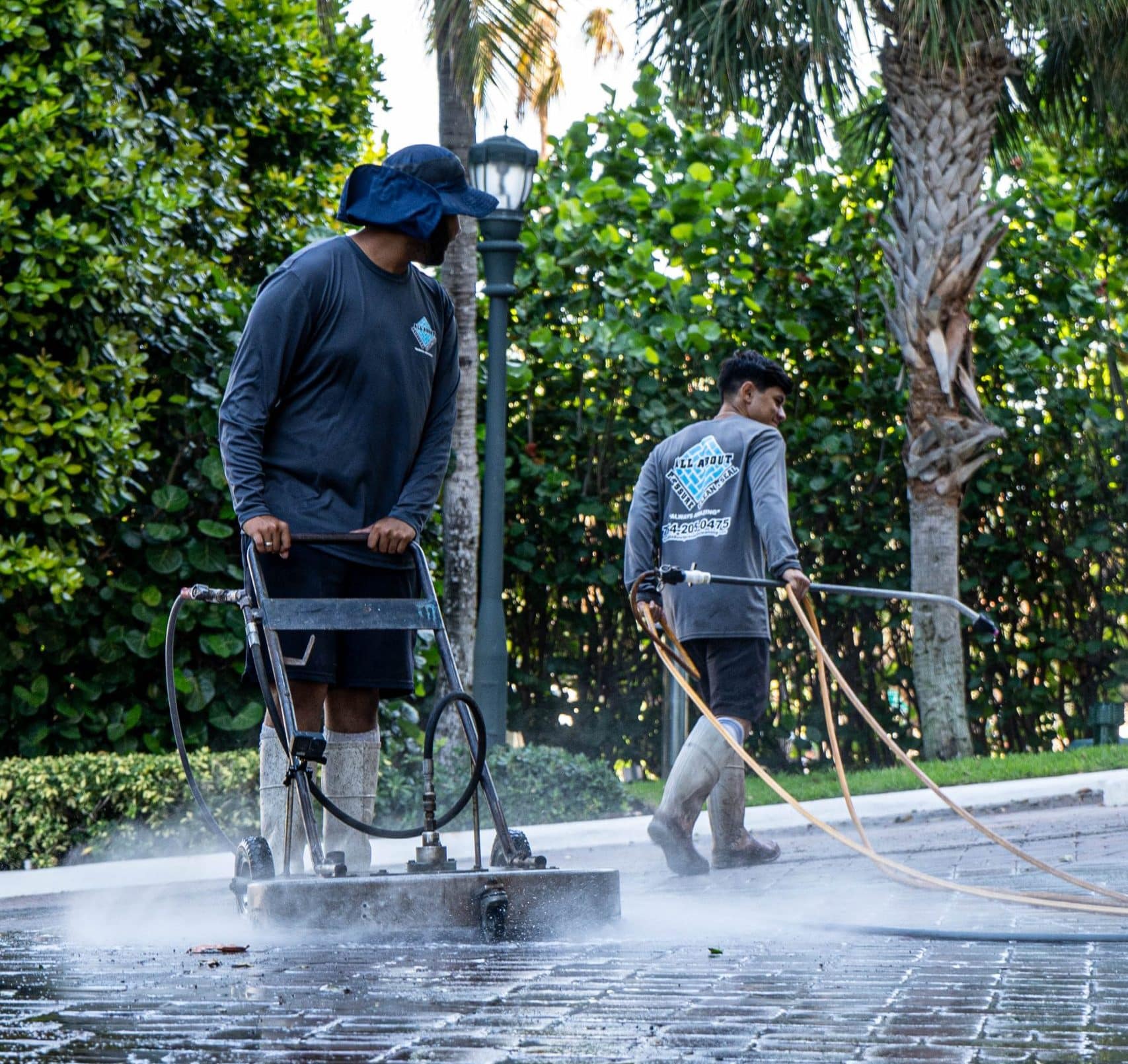
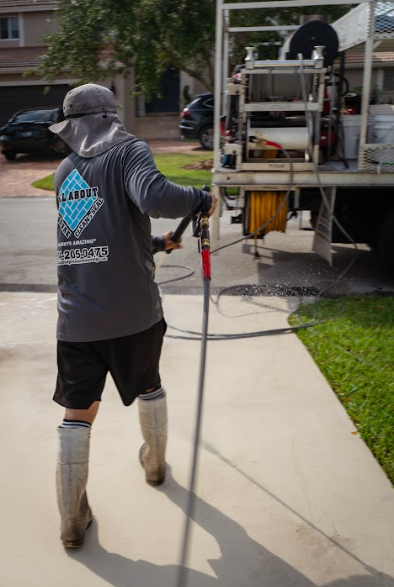
Professional technicians evaluate the type of material, condition of the surface and surrounding environment before starting any cleaning process. Instead of relying solely on high pressure, experienced professionals adjust pressure levels, select proper nozzles and use appropriate cleaning solutions.
In many cases, a lower pressure combined with specialized cleaners produces better results while protecting the integrity of the surface. Professionals also understand how to avoid forcing water into vulnerable areas such as joints, cracks and expansion gaps.
When sealing is required after cleaning, professionals ensure the surface is properly prepared without causing damage that compromises adhesion.
Protecting Your Investment
Exterior surfaces represent a significant investment. Driveways, pool decks, patios and stone walkways contribute to both property value and daily functionality. Damage caused by improper pressure washing can reduce curb appeal, shorten material lifespan and create unexpected repair expenses.
For property investors, avoiding surface deterioration protects long term returns and reduces maintenance costs. For homeowners, proper cleaning methods preserve aesthetics and structural stability.
Frequently Asked Questions
Can pressure washing remove joint sand from pavers
Yes. Excessive pressure can wash out sand between pavers, causing movement and instability.
Is pressure washing safe for natural stone
Only when done correctly. Natural stone requires controlled pressure and appropriate cleaning solutions.
How do I know if my surface is damaged after pressure washing
Signs include rough texture, fading, uneven joints, peeling paint or visible etching.
Should surfaces be sealed after pressure washing
In many cases, yes. Sealing helps restore protection and reduce future damage.
The Right Approach Makes the Difference
Pressure washing is a valuable tool when used properly. However, when pressure washing is done incorrectly, it can damage surfaces and create long term problems that are far more expensive than the cleaning itself.
Professional service ensures the right balance between effective cleaning and surface protection. For homeowners and investors who want to maintain property value and avoid unnecessary repairs, professional pressure washing is not just about appearance. It is about safeguarding the integrity of the materials themselves.
